Our Guide to London’s Best Zero-Waste Restaurants
At Rocket, we firmly believe that the most memorable culinary experiences begin with an understanding of where ingredients come from, how they’re used, and the values which shape them. It’s a philosophy shared by a new generation of chefs and restaurateurs – some of whom we’ve had the privilege to work with – who place sustainability at the heart of their craft, not as an afterthought, but as a foundation for innovation.
From reimagining kitchen offcuts to pioneering closed loop systems, these chefs are challenging the notion that sustainability requires compromise. Instead, they’re proving that a zero-waste approach can elevate rather than limit, producing food and drink as refined and expressive as it is responsible.
In this guide, we spotlight seven of London’s most forward-thinking kitchens leading the way in zero-waste dining, and some of the unmissable dishes they’re serving.
Spring, Somerset House
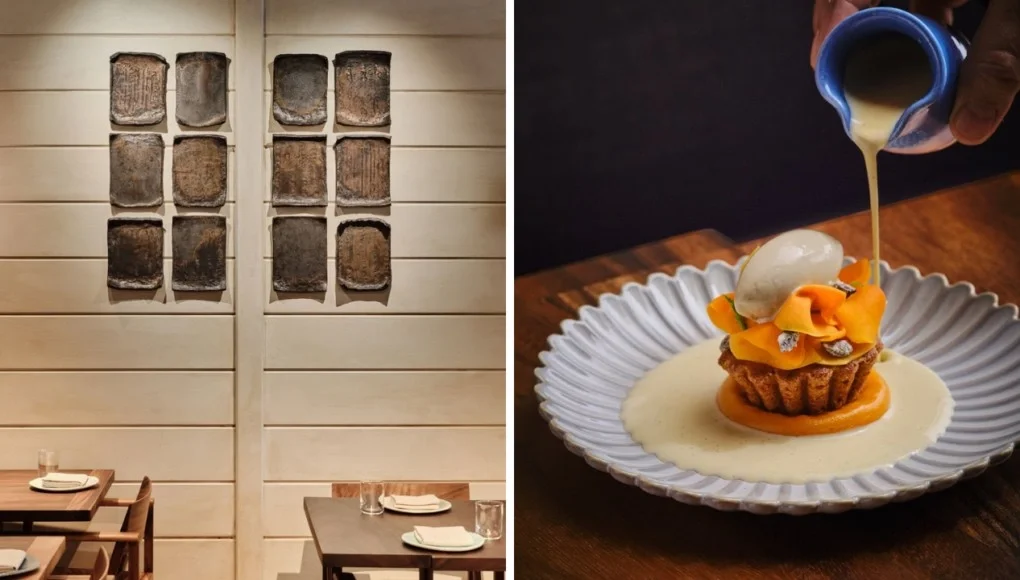
Under the direction of acclaimed chef Skye Gyngell – who we’ve had the pleasure of working with on a bespoke menu for our BrainWaves charity dinner – Spring at Somerset House is a restaurant defined by its quiet elegance and a deep respect for seasonality. Beyond the beauty of its plates lies a philosophy that is both principled and progressive – a longstanding commitment to sustainability that informs every detail of its operation.
Spring was among the first fine dining restaurants in London to eliminate single-use plastics, and its pioneering Scratch Menu offers a thoughtful response to food waste. Served in the early evenings from Tuesday to Saturday, the menu transforms what might otherwise be discarded into dishes of remarkable complexity. Expect hand-cut pasta dressed with fennel trimmings and cauliflower leaves, or lamb polpette made from kitchen offcuts and green stalks.
Rooted in resourcefulness without ever bordering on frugality, the menu is a testament to the notion that sustainability and luxury can, and absolutely should, coexist.
Apricity, Mayfair
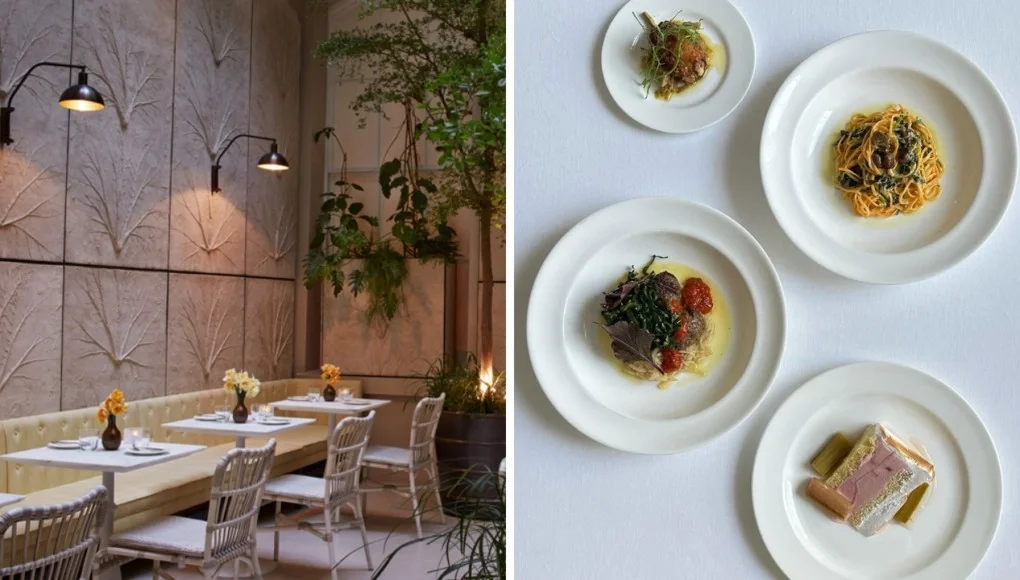
Apricity, the Mayfair restaurant led by chef Chantelle Nicholson, offers a compelling vision of what circular hospitality can look like in practice. Each element, from digital menus and reusable delivery crates to a kitchen entirely free from single use plastics, is shaped by a future focused philosophy of considered consumption.
This ethos extends seamlessly to the food and drink. The plant forward menu is as inventive as it is resourceful – bread crusts become seeded crackers served with vibrant vegetable dips, kitchen trimmings are repurposed into infusions and garnishes, and unfinished glasses of wine are reduced, spiced, and transformed into a house vermouth for elegant takes on Manhattans and Negronis.
Roe, Canary Wharf
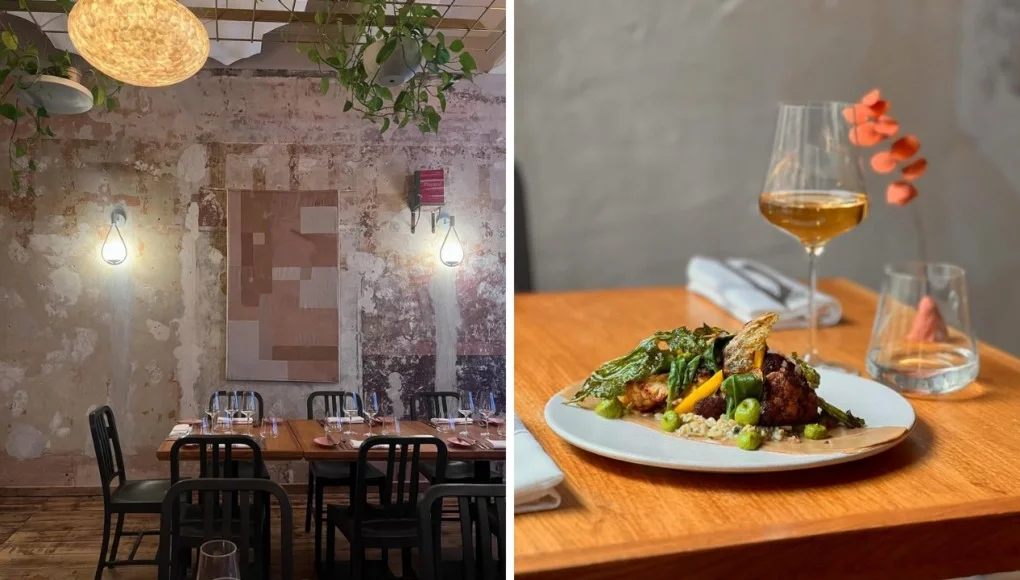
From the team behind Fallow comes Roe, a vibrant waterside spot which shares its sibling’s passion for reimagining surplus and celebrating what others readily discard. Sustainability is deeply embedded throughout the menu; nothing is wasted and creativity is abundant.
The standout dessert, a caramelised banana parfait with toasted vanilla and peanut, is as playful as it is precise. Inspired by the overabundance of bananas arriving from suppliers, it makes full use of the fruit: from mousse and jam to caramel, roasted banana, and even deep fried candied skins. Designed to mimic the look of a peeled banana, the dish which became an instant viral hit is now a permanent fixture and a must try.
Silo, Hackney Wick
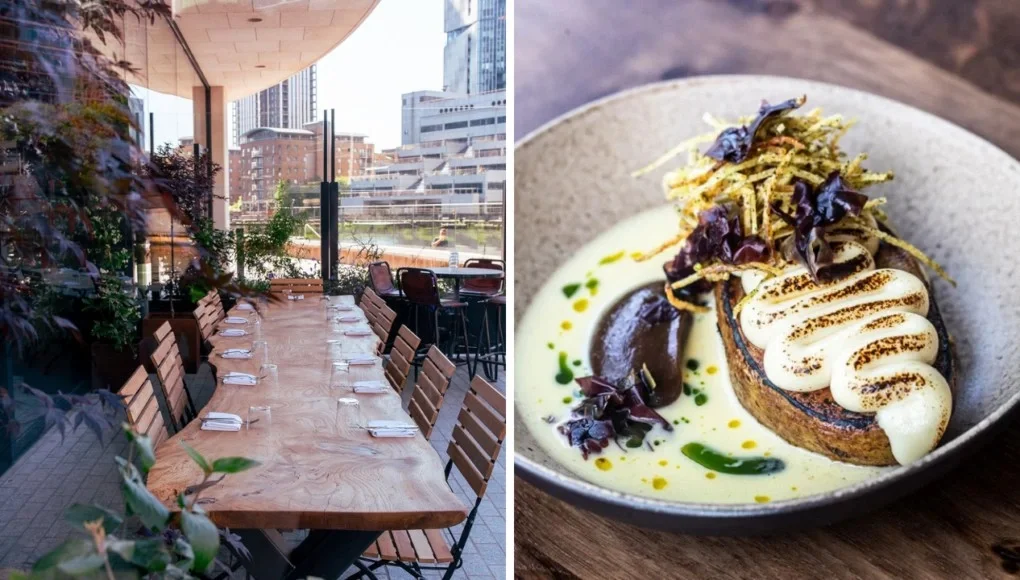
Doug McMaster’s Silo is widely recognised as London’s original zero-waste restaurant, but it is more than a pioneering concept. It operates as a living ecosystem, where every element serves a purpose, and often several. Flour is milled on site, dairy is cultured from scratch, and even the crockery is crafted from repurposed materials such as wine bottles and plastic bags.
One dish which encapsulates Silo’s ethos is the Silo Quaver: a delicate crisp made from the byproducts of byproducts, including sourdough miso and a fermented meta dairy garum. Steamed, dehydrated, brushed with vegetable treacle, and topped with grated cheese, it’s a deceptively simple creation which speaks volumes about Silo’s core ethos. Even the crumbs are repurposed into miso solids for the next batch.
Over a decade since opening, Silo remains a bold and imaginative benchmark for zero-waste dining, not just in London, but around the world.
Holy Carrot, Notting Hill
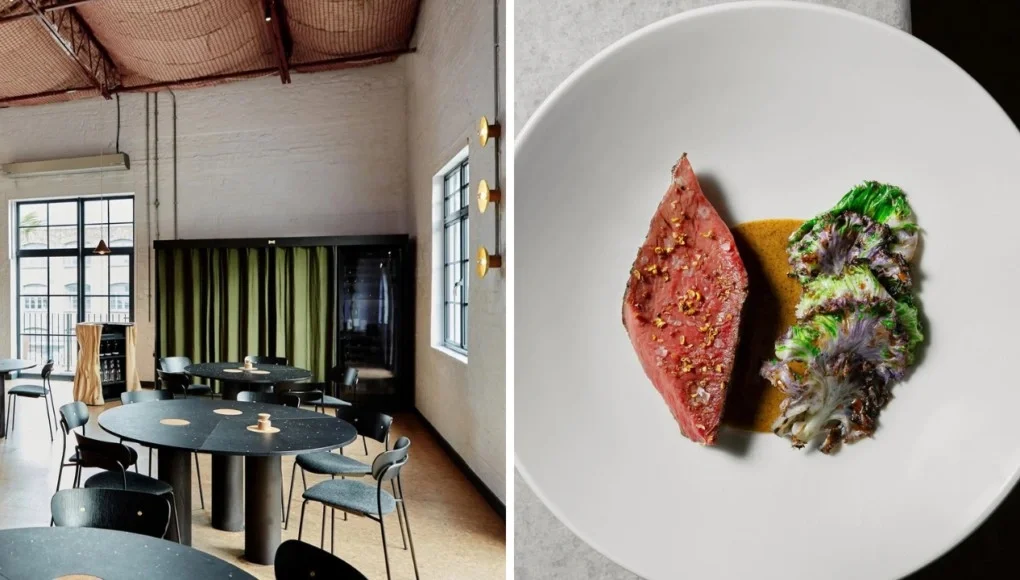
At Holy Carrot, chef Daniel Watkins transforms a deep rooted fascination with fermentation into a creative, zero waste philosophy. The restaurant’s fermentation cave is at the heart of this approach, housing a diverse collection of misos, shios, vinegars, and syrups, more than 70 percent of which are crafted from kitchen byproducts.
This guiding philosophy comes to life in dishes like the Delica pumpkin, served with almond ricotta. Roasted and smoked squash offcuts are reduced into a richly layered tare; the leftover almond pulp becomes both almond miso and shio; and the garnish, a scattering of dried, smoked squash flakes, is made entirely from trim. Each component comes together beautifully to prove that extraordinary flavour is often found in what others might overlook.
Dinings SW3, Chelsea
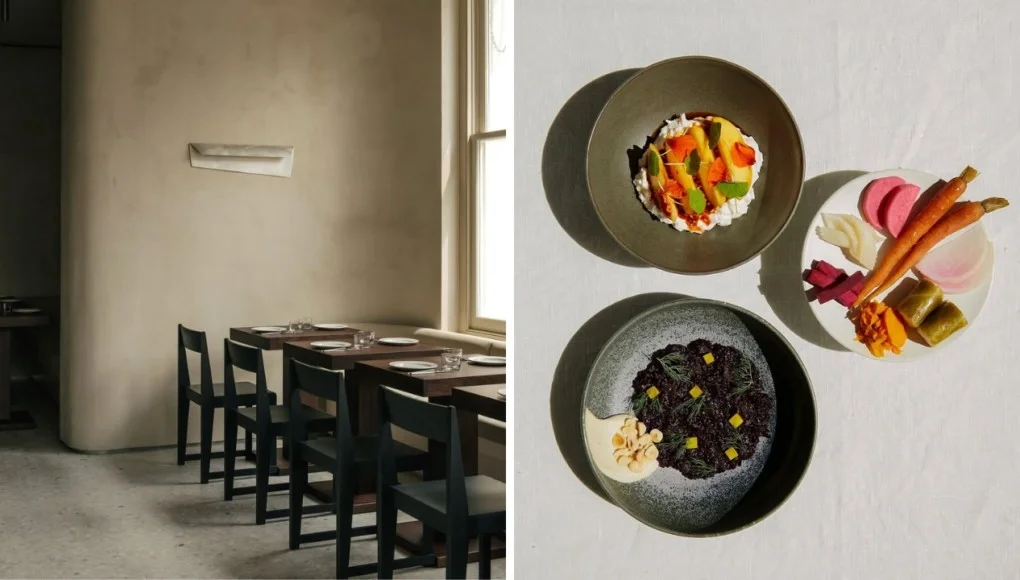
At Dinings SW3, chef Masaki Sugisaki brings a distinctly Japanese sensibility to sustainability, championing a ‘gill-to-tail’ approach which treats every part of the fish with care and respect. Nothing is wasted, trimmings become delicately seasoned tartares, roe is cured into bottarga, and each cut is thoughtfully used to its complete potential.
Turbot offers a particularly refined illustration of this ethos. Line caught in Cornwall, its flesh is served grilled or raw, its bones are simmered into a rich, collagen-laced stock, and the fins are dehydrated and steeped to create hira-zake – a traditional fish-fin sake which is both inventive and deeply rooted in culinary heritage.
At Dinings, sustainability is honoured through an elegant integration of tradition, resourcefulness, and respect for the ingredient.
Anglothai, Marylebone
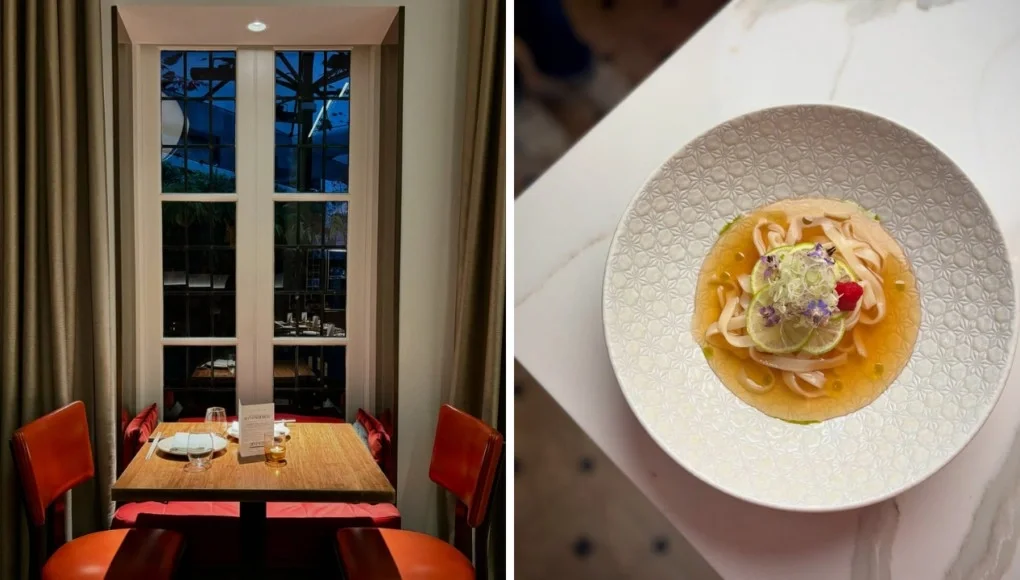
At AngloThai, chef John Chantarasak – who we were privileged to collaborate with on our sister brand A Cook’s Tour – draws on his Thai British heritage to create a menu which is both bold in flavour and grounded in sustainability. Every element is considered, from the use of British grown chickpea flour in place of imported starches to the inventive reuse of coconut pressed radish pulp, transformed into crisp, golden cakes.
Vegetable trim collected daily is reduced into a treacle like glaze, while brined cabbage is grilled over fire and finished with a fragrant herb emulsions. The resulting dishes feel complex, considered and genuinely creative whilst of course honouring the zero-waste philosophy.