

We’re proud to announce the appointment of Miles Greenaway as Rocket’s new Culinary Director, a key addition to our executive leadership team and a reflection of our ongoing commitment to culinary excellence.
Miles joins us from a distinguished career in luxury event catering, where he led a team of forty chefs and delivered over four hundred high-profile events each year. With more than fifteen years’ experience both internationally and in the UK, from Royal Palaces to the Formula 1 Grand Prix in Abu Dhabi, he brings exceptional culinary expertise and leadership to Rocket. He has also collaborated with renowned Michelin-starred chefs including Heston Blumenthal, Monica Galetti, and Claude Bosi, enriching his innovative approach to fine dining.
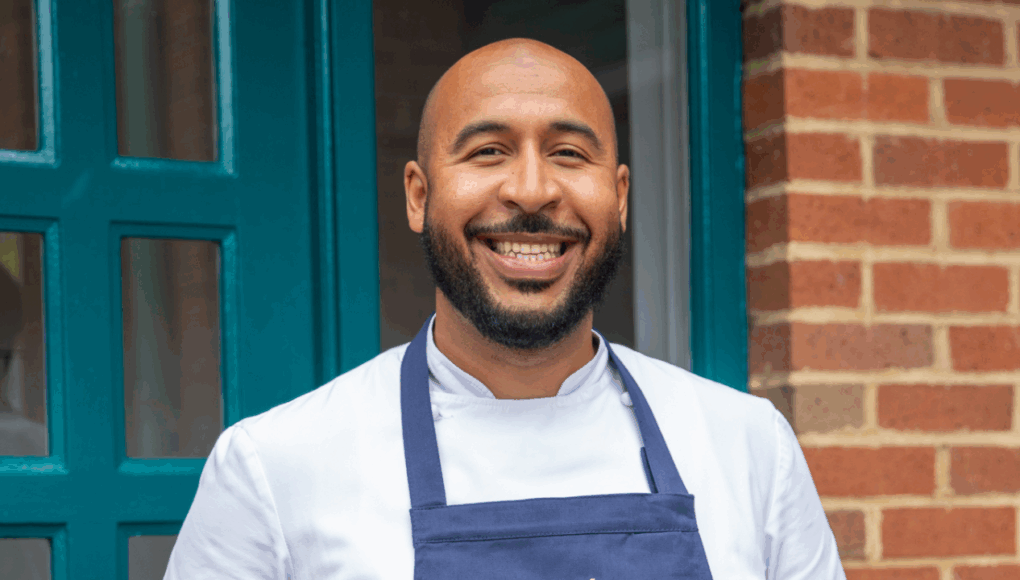
Known for pairing strategic oversight with a deep respect for craft, his approach to menu design is thoughtful and ingredient-led, with a particular focus on British seasonality and simplicity. His philosophy aligns seamlessly with Rocket’s sustainability-driven values, from forging close relationships with producers to developing plant-forward menus which never compromise on flavour. As Culinary Director, Miles will play a pivotal role in shaping the future of our culinary vision, ensuring we continue to deliver meaningful, memorable experiences at every level.
To mark his arrival, we sat down with Miles to talk about his passion for sustainability — from thoughtful menu design to the role of responsible sourcing — and how these values are shaping the future of food at Rocket.
How does your approach to sustainability influence your menu design process?
Miles: Seasonality is everything. I design menus around what’s growing now in the UK — it’s not just better for the planet; it tastes better too. For example, we’ll only use chanterelles when they’re foraged fresh in autumn. The same goes for something like brussel tops — they’re tender and full of flavour when just in season, but you won’t see them on the menu outside that window. Sourcing out of season usually means imports, longer supply chains, and a compromise in quality.
We also try to minimise waste by using every part of the ingredient. For instance, we might turn carrot tops into pesto or use the entire duck — legs for confit, breast for plating, and the carcass for sauce. It’s about getting the most out of each ingredient and respecting the produce we’re working with.
What are some of your favourite sustainable suppliers? How do you showcase them through your dishes?
Miles: One that stands out is Crate to Plate. They’re a vertical hydroponic farm based in Canary Wharf, growing salad leaves and herbs with no chemicals, minimal water, and zero-emission delivery. It’s incredibly local and grown right here in London and their produce is brilliant.
We’ve already used some of their produce in dishes for our new autumn/winter menu in collaboration with Lee Westcott. The challenge is that they grow to order, which doesn’t always match the fast pace of event catering, but for long-lead bookings or bespoke tastings, it’s a fantastic option.
Of Rocket’s upcoming autumn-winter dishes, do you have a favourite that captures the essence of responsible sourcing?
Miles: Definitely the wild venison loin on Lee Westcott’s new menu. Venison is one of the most sustainable meats available in the UK — it’s wild, local, and has a lower environmental impact than beef or lamb. We source our Suffolk venison from HG Walter, one of our most trusted suppliers.
The heritage beetroot is another standout vegetarian starter built around different varieties of British beetroot — earthy, vibrant, and perfectly in season. Another one to highlight is the miso-braised sweetheart cabbage with red pepper and sunflower seed romesco, garnished with Crate to Plate leaves. It’s a beautiful example of what happens when provenance leads the creative process.
What’s the biggest opportunity for positive change in the food industry, and how can chefs and businesses like Rocket help lead the shift?
Miles: Reducing food waste is where we can make a real, measurable difference — especially in events. Overproduction is a constant challenge: you don’t want to run out of food, but preparing too much leads to unnecessary waste, labour, and cost. We’re working hard to improve portioning accuracy, scale recipes properly, and prep only what’s needed.
It’s also about moving from reactive to proactive. Sustainability isn’t just a box to tick — we need to embed it into how we work every day, from supplier relationships to how we write recipes. The more we measure, challenge, and improve, the more meaningful our progress becomes.